Up until now my weekly running schedule usually consisted of 3 to 4 runs and these tended to be run at a pretty quick training pace. This plan served me well for the last couple of years but I now feel its time to increase my weekly distances. It was clear however that I would not be able to increase the weekly distance and maintain a high tempo for every run. That’s a recipe for disaster and injury. So instead of taking full rest days in between most runs, there was room to get in some slower kilometres without pushing my body too far. Enter the Recovery Run.
There is plenty to read about Recovery runs on the internet and all the benefits they can provide. The first thing I learned, and it surprised me, is that recovery runs do not aid recovery. There’s nothing to suggest that a recovery run will help you recover quicker or better. Instead the recovery refers to the time period of the run, as it is performed in recovery from a more intense workout. The benefit instead comes from extra training while your body is in a tired or recovering state, improving your overall fitness levels. A study from the University of Copenhagen demonstrated that training twice every two days had a greater impact than training once every day. While elite athletes might be training twice a day and use recovery runs in the evening after an intense morning workout, for most amateurs the recovery run is perfectly fine the day after.
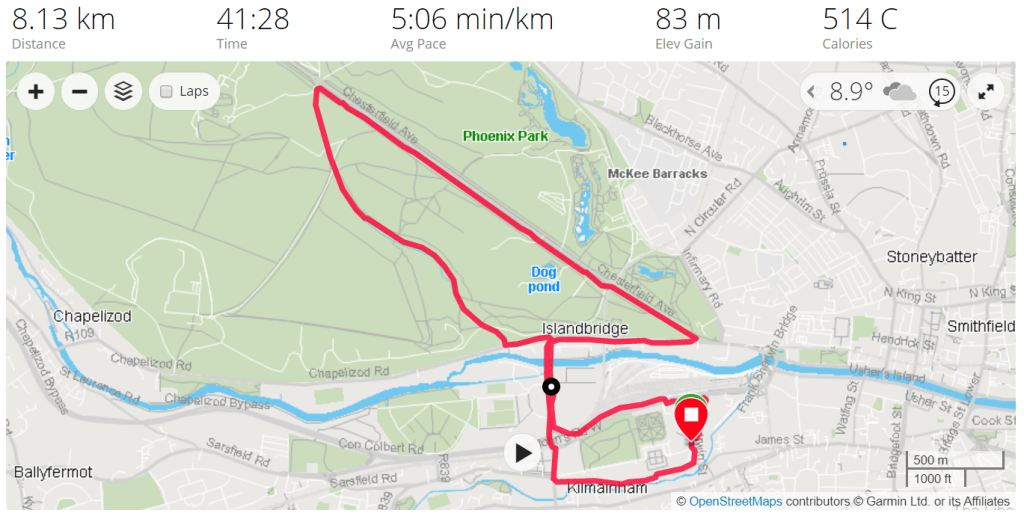
I usually have my long runs on a Saturday morning, so Sunday morning seemed like the perfect time to schedule some recovery runs. There are a lot of different definitions for a recovery run from the technical, 65% of your heart rate reserve, to the estimations of 1 minute slower than your race pace and “conversational pace”. I decided that based on when my heart rate tends to rise and pace, anything over 5 min per km would be slow enough to constitute recovery pace. I was initially worried that I would spend a lot of the run trying to slow myself down but luckily it wasn’t an issue. What I discovered instead was that a recovery run gave all the enjoyment of running without any of the pressure on your body. There was no elevated heart rate, no catching my breath and I wasn’t trying to keep my body moving at a given pace. It was simple running and it was fantastic.
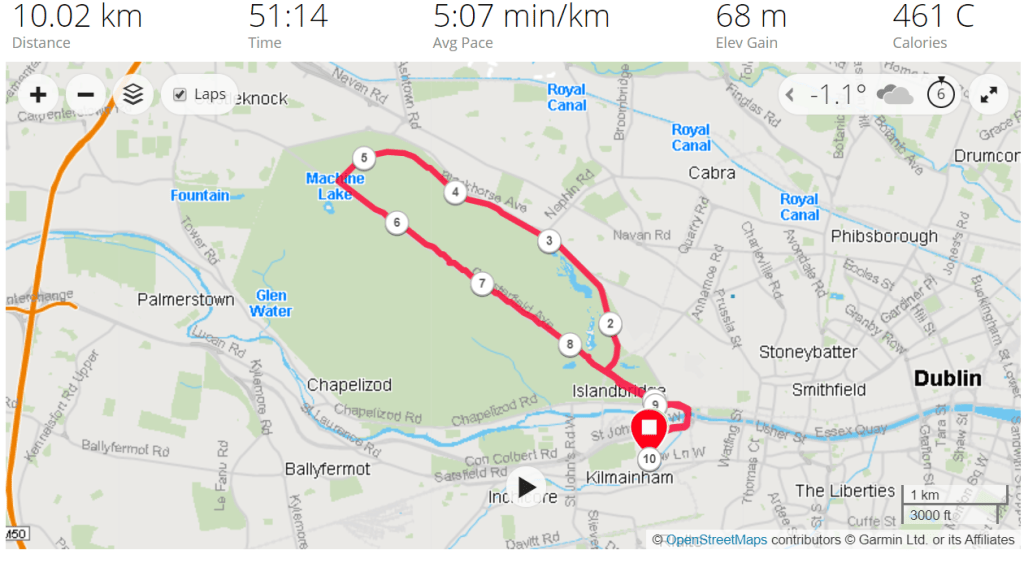
The second Sunday I went out for my recovery run was a cold morning but the sun was out, the sky was clear and there was no wind. There was nowhere else I would rather be at than jogging my way around Phoenix Park as the frost began to evaporate off the wide open fields. And I was not the only one who had risen early to enjoy the lovely fresh morning, as many other runners made their way around the park that morning. I now look forward to each of these recovery runs and the fact that I will gain some benefit from them is just an added bonus. There is a lot to gain both physically and mentally from slowing down and just enjoying a run.
 259 Running
[…] Very slow run, generally the day after my long run. Read recovery runs for more […]
LikeLike
[…] pace in my 36km long run. I have learned more about different training types such as internvals and recovery. My nutrition has improved in terms of the food I eat before long runs and while doing them. As […]
LikeLike